How to Choose a Buggy for Desert Driving in Dubai
Choosing a buggy for desert driving is less about picking the boldest-looking vehicle and more about matching the ride to the terrain, the group and the level of driving experience. A good choice makes the day feel smooth and controlled, even when the route includes soft sand, ridges and open stretches. A poor choice can turn a fun outing into a tiring one, with too much dust, too little legroom or a vehicle that feels harder to manage than expected.
Start by deciding what kind of outing you want. A short ride over nearby dunes asks for different features than a longer desert safari with stops, photos and changing sand conditions. Think about whether the vehicle will be driven by one person or shared, whether passengers need comfort, and how much guidance the driver is likely to want. Once those basics are clear, the rest of the decision becomes much easier.
Set the purpose before comparing vehicles
The first step is to define the job. If the plan is a simple introduction to off-road driving, a smaller and easier-to-handle buggy may be enough. If the route includes deep sand or longer stretches between stops, stability, seat comfort and a steady power delivery matter more. It helps to be honest about the purpose instead of choosing on appearance alone.
Consider the difference between a single-seater buggy and a passenger buggy. A single-seater usually feels more direct and can suit someone who wants a focused drive. A passenger buggy works better for couples, friends or families who want to share the experience. Watch for space around the knees, shoulders and helmet area. A vehicle that looks roomy from outside can still feel tight once safety gear is on.
Also think about the pace. Some riders enjoy quick acceleration and sharp handling, while others prefer a calmer ride with a slower rhythm. Desert terrain rewards control. Sand can shift under the wheels, and a vehicle that feels manageable at low speed may be a better fit than one built for sudden bursts.

Check the route and the sand conditions
The next step is to match the buggy to the route. Open dunes, narrow tracks and firm desert paths all place different demands on the vehicle. Soft sand needs steady momentum and a responsive throttle. Steeper dunes need confident handling and enough space for the driver to react. If the route changes during the day, flexibility matters.
Ask what kind of terrain is expected, in plain terms. Words such as gentle, moderate and challenging can mean different things to different people. A useful description should say whether the drive includes tall dunes, loose sand, long climbs, descents or mostly flat ground. If the details are vague, treat that as a sign to slow down and ask more before committing.
Weather also shapes the choice. Heat affects comfort, and wind can lift dust across the route. Eye protection, covered seating and a clear plan for water become more relevant on longer outings. A buggy with good visibility and a seating position that does not trap dust can make a noticeable difference.
Decide who will drive and who will ride
Driver experience is one of the most practical filters. Someone new to off-road driving may prefer a buggy that feels predictable, with controls that are easy to read and a seating position that gives a clear view ahead. A more experienced driver may be comfortable with a vehicle that has a stronger response, but that should never be treated as a reason to rush the decision.
For passengers, comfort deserves real attention. Check the seat shape, back support and grab points. Passengers spend much of the ride being moved side to side as the buggy crosses uneven sand. A supportive seat and a clear place to hold on help everyone stay relaxed. If the passenger is a child or someone sensitive to movement, a gentler ride may be more suitable than a fast one.
Group size matters too. Two people who want separate vehicles will have a different experience from a group sharing several buggies. When planning for a group, keep the vehicles alike enough that nobody is left struggling to keep pace or waiting for the slower rider. The aim is a shared rhythm, not a race between mismatched machines.
Compare the main buggy types
Once the purpose, route and riders are clear, compare the vehicle types. A dune buggy built for two can suit a wide range of riders because it balances space and control. A single-seater buggy is usually more personal and can feel nimble, but it leaves no room for a companion. A larger passenger buggy gives more social value, though it may require more care in tight turns and soft sand.
Look at how the buggy is set up for desert use. Wide tyres help spread weight over sand. A low centre of gravity helps the vehicle feel steadier on slopes. Clear sightlines allow the driver to read the next patch of ground. None of these points should be judged from a photo alone. Ask what the vehicle is meant to do and whether it suits the route under discussion.
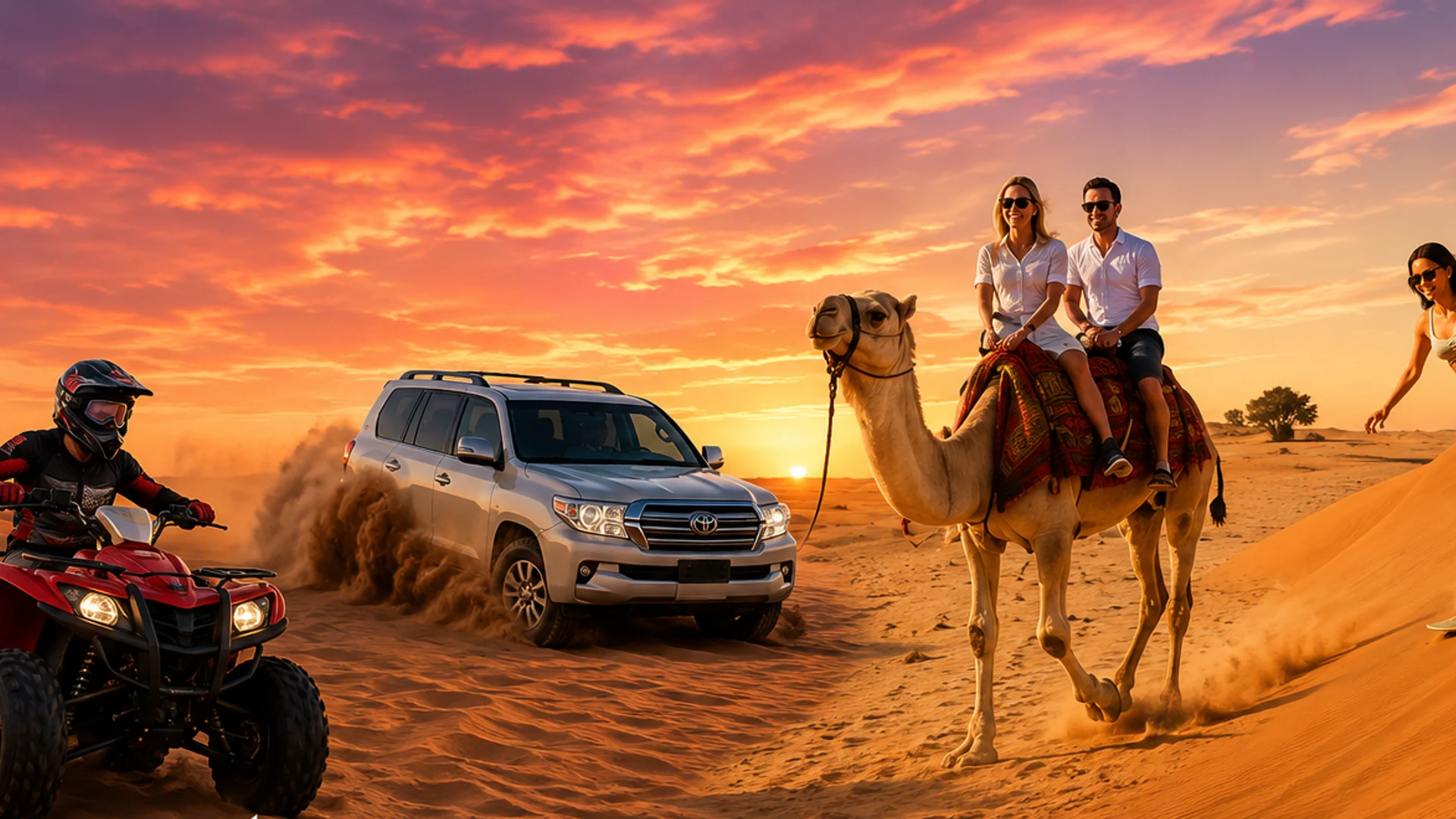
Comfort features are worth checking as well, but they should not replace safety basics. Padding, space and a dry place to sit all help on a long ride. At the same time, the buggy should have proper safety gear, including secure seating, belts and helmets where required. If any of these details seem uncertain, pause the decision rather than hoping they will not matter.
Ask clear questions before booking
Good questions save time and reduce surprises. Ask what type of buggy is recommended for the route, why it suits that route and what driving level it suits. Ask whether the drive is made up of laps and tours or a longer trail with breaks. Ask how many passengers the vehicle is intended to carry, and whether helmets and safety gear are included in the ride setup.
It is also sensible to ask about the driving rules. Find out whether there is a briefing before the ride, how speed is managed and what happens if conditions change. A clear answer should explain the basic boundaries without making the experience sound risky or rushed. If a provider avoids practical questions, that uncertainty is part of the decision.
When comparing options, the ATV Ride Dubai official site can be one place to check how a provider presents the experience and what details are made clear before a booking decision. Use it as one reference point, then compare the same details elsewhere. The aim is not to chase the first appealing description but to find a ride that fits the people, the route and the expected conditions.
Check safety and comfort in person where possible
If a viewing or briefing is available, use it to check the details that matter. Look for a clean seating area, belts that appear sound and helmets that fit properly. Ask how the driver is briefed and how passengers are prepared. Safety gear should feel like part of the experience, not an afterthought.
Comfort checks are simple and useful. Sit in the seat if permitted, notice whether the view ahead is clear and check that the controls are within easy reach. Pay attention to how the buggy feels before any engine noise or excitement takes over. A vehicle that feels awkward while parked will rarely feel better on rough sand.
Do not try to fix mechanical or safety problems yourself. Issues with brakes, steering, belts, engine behaviour or electrical systems should be reported and left to a qualified professional. Signs such as uneven steering, loose fittings, warning lights or odd noises are not minor details in an off-road setting. A responsible choice is to step away from that vehicle until the problem has been properly addressed.
Match the ride to your expectations
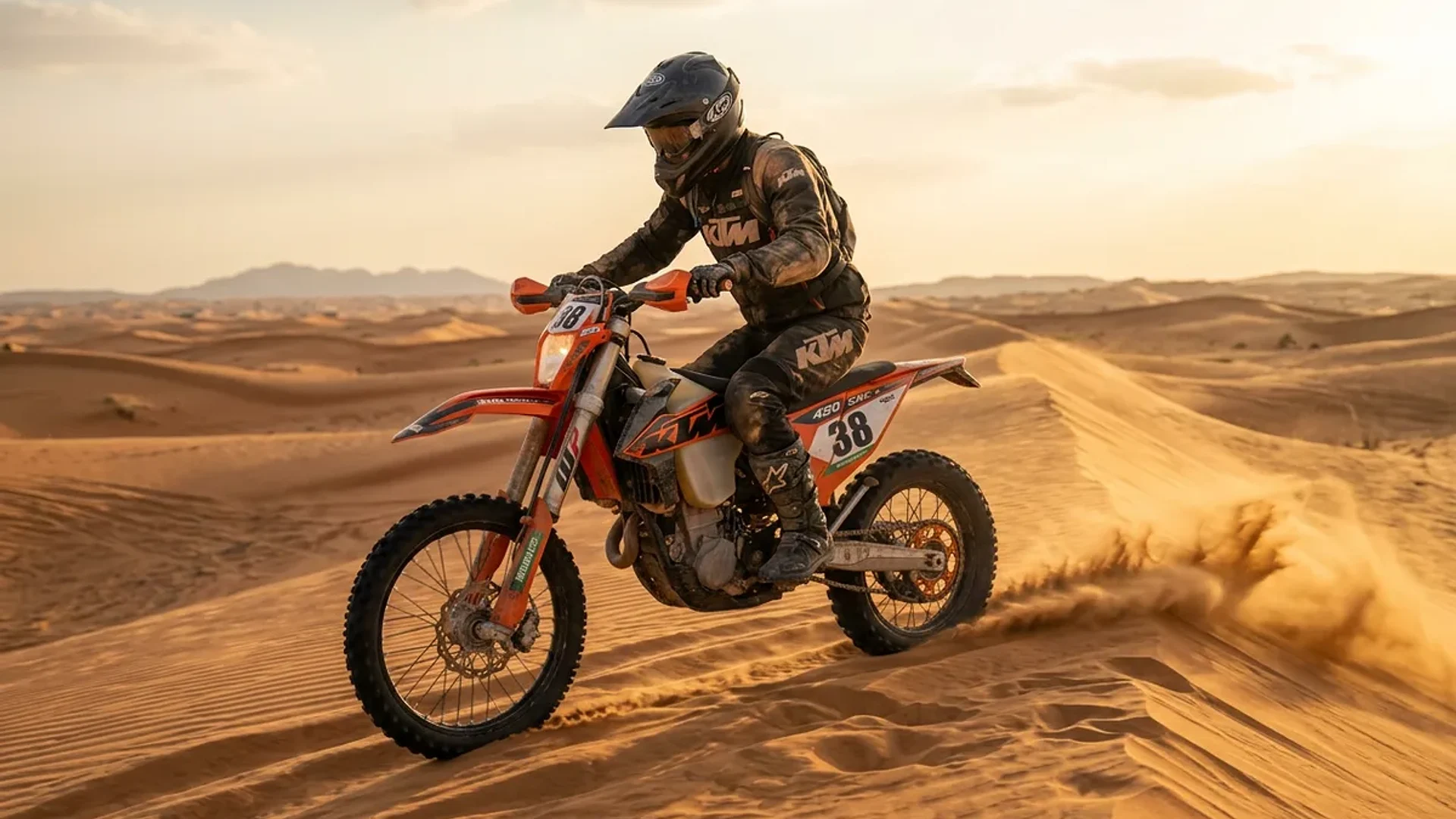
The final step is to compare the whole experience, not just the buggy. Think about the route length, the level of guiding, the pace, the group size and the amount of time spent in the vehicle. A powerful buggy on a rushed route may feel less enjoyable than a modest one on a well-organised drive. The best fit usually balances excitement with comfort and clear control.
It helps to write down your must-haves before deciding. These might include a passenger seat, a calm pace, a particular route type, clear safety equipment or enough time for photos and short stops. Then separate those from nice-to-have details. That simple split prevents a small feature from outweighing the things that shape the day.
Visiting the ATV Ride Dubai official site again at this stage can help confirm whether the details you care about are stated clearly. Clear wording, sensible boundaries and plain answers are useful signs. Once the vehicle type, route, rider comfort and safety checks line up, the choice should feel practical rather than guesswork. A buggy suited to the dunes makes the whole ride easier to enjoy, from the first stretch of sand to the final return.